How to Pick a Safe Lock: Why the Real Answer Is a Safe Technician
In the movies, a safe opens to a man with a stethoscope and four minutes of quiet. In real life, it opens to the owner with the code, or to a trained technician who has first asked to see some paperwork. The cracking is the boring part. The paperwork is the interesting part. This page is mostly about the paperwork.
Short answer: How to pick a safe lock isn't something a review site should teach, and it isn't something you need to learn to get into your own safe. Opening a combination lock without the combination — the trade calls it safe manipulation — is specialist work, and safe ratings exist to measure how well a lock resists it. If you're locked out, the legitimate route is your code or key, then the manufacturer with proof of ownership, then a qualified safe technician who verifies that the safe is yours.
That's the whole answer, and the rest of this page explains why it works that way. You'll find what "safe cracking" means as a profession, why lock and safe ratings describe resistance to it, and how to get into a safe you own without damaging it or your warranty. If you're choosing a safe rather than opening one, our burglary safes page compares the ratings that matter.
No techniques, tools or model-specific weaknesses appear below. That's deliberate.
Safe manipulation: what the term means
Safe manipulation is opening a combination lock without the combination by using sight, touch or hearing. It's not a secret term. It's in the scope of UL 768, UL's standard for mechanical combination locks on safes and vaults, which tests how well a lock resists exactly that.
The people who do this for a living are safe technicians. ALOA, the locksmith trade association, describes the members of its Safe and Vault Technicians Association (SAVTA) as highly skilled and experienced. They repair and maintain safes and vaults, and ALOA says they can open your safe if you're locked out.
So "safe cracking 101" has a real-world syllabus. It's a trade, learned and practised over time, by people who also install, service and repair the locks they open. The stethoscope is mostly a prop. The training isn't.
Why safe ratings measure resistance to opening attacks
Safe and lock standards are written around the assumption that someone skilled will try. The rating tells you how long, with what, and what counted as a failure.
- Lock ratings. UL 768 rates mechanical combination locks for resistance to manipulation and groups them by performance. It does not cover electronic locks. UL 2058 is UL's outline for high-security electronic locks.
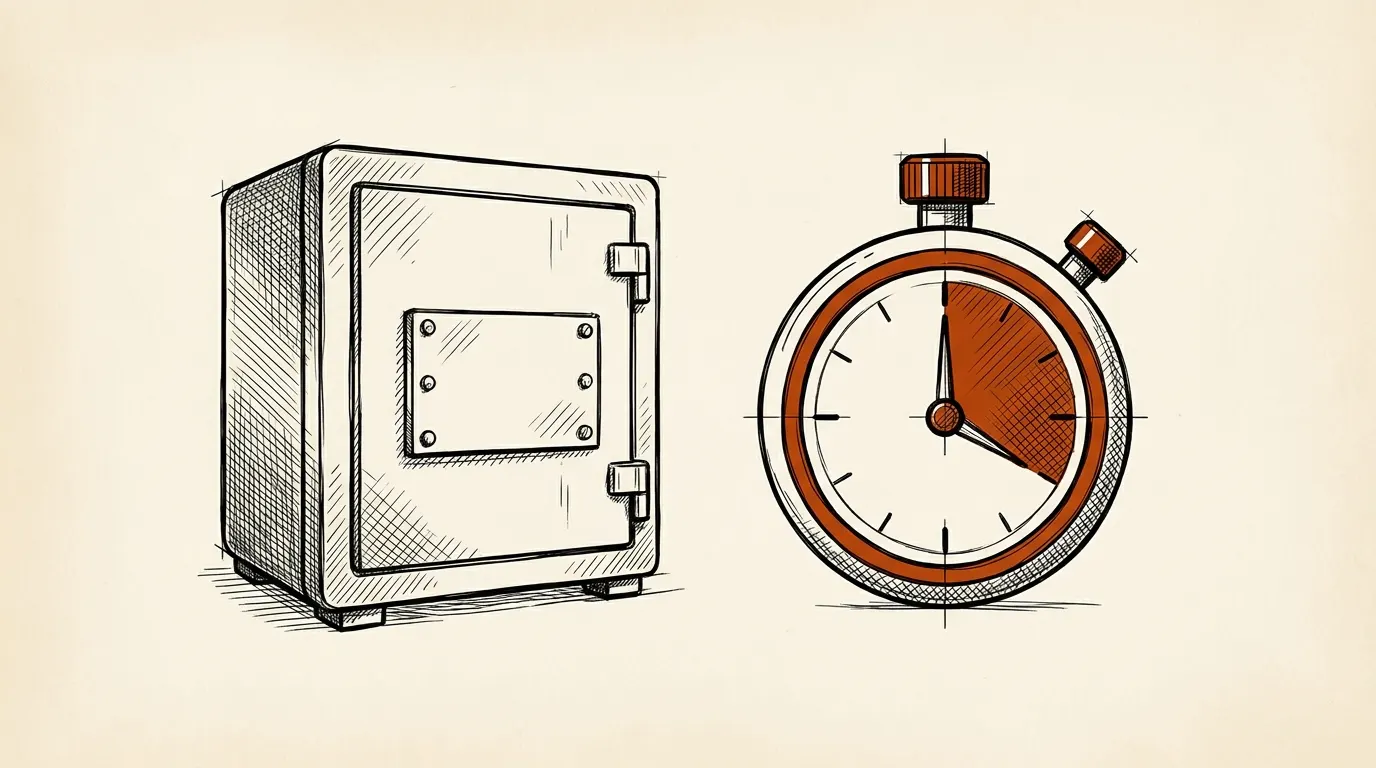
- Gun safe ratings. Under UL 1037, a Residential Security Container (RSC) Level I must resist a 5-minute attack by one operator familiar with the safe's construction. Level II requires a UL 768 Group 2M or UL 2058 lock; Level III requires a UL 768 Group 1 or UL 2058 lock.
- High-security safes. UL 687 rates burglary-resistant safes in tool and torch classes such as TL-15, TL-30, TRTL-30 and the X6 classes that test all six sides.
That's why "unpickable" isn't a rating. Every rated product has a defined limit. The rating names it, so you can compare one limit with another. Our guide to UL ratings for safes explains each class.
Where to look next
The hardest safe to crack is the one with a rating that fits the risk
There's no single hardest safe. There are higher ratings. A Level III RSC with a Group 1 or UL 2058 lock has been tested against more people, more tools and a smaller opening than a Level I. A TRTL-X6 safe has been tested for tool and torch resistance on every side.
For most homes, the threat isn't a trained technician with time. It's someone in a hurry, looking for the safe that isn't bolted down or the code that's written next to it. Which brings us to the most effective opening method in America.
The Sticky Note: how codes actually get lost and found
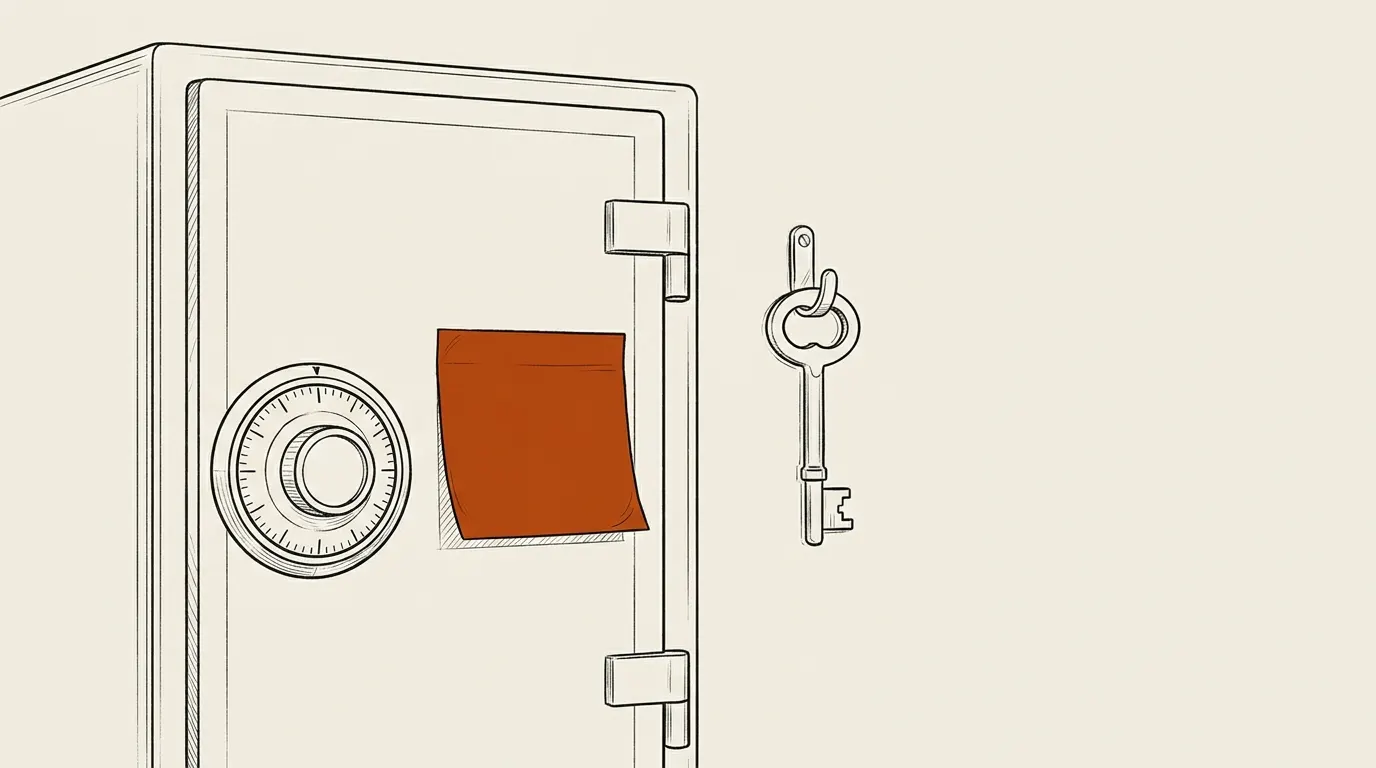
The combination is on a sticky note. The sticky note is on the safe. Or the spare key hangs on a hook in the same closet. No manipulation required.
It cuts the other way too. Owners lose the combination because they kept it somewhere too clever, and then it's a lockout instead of a break-in. The fix for both is the same habit:
- Record the combination or code somewhere away from the safe — not on it, not beside it
- Keep the backup key in a different room from the safe
- Register the safe with the manufacturer, if it offers registration, so there's a record of ownership
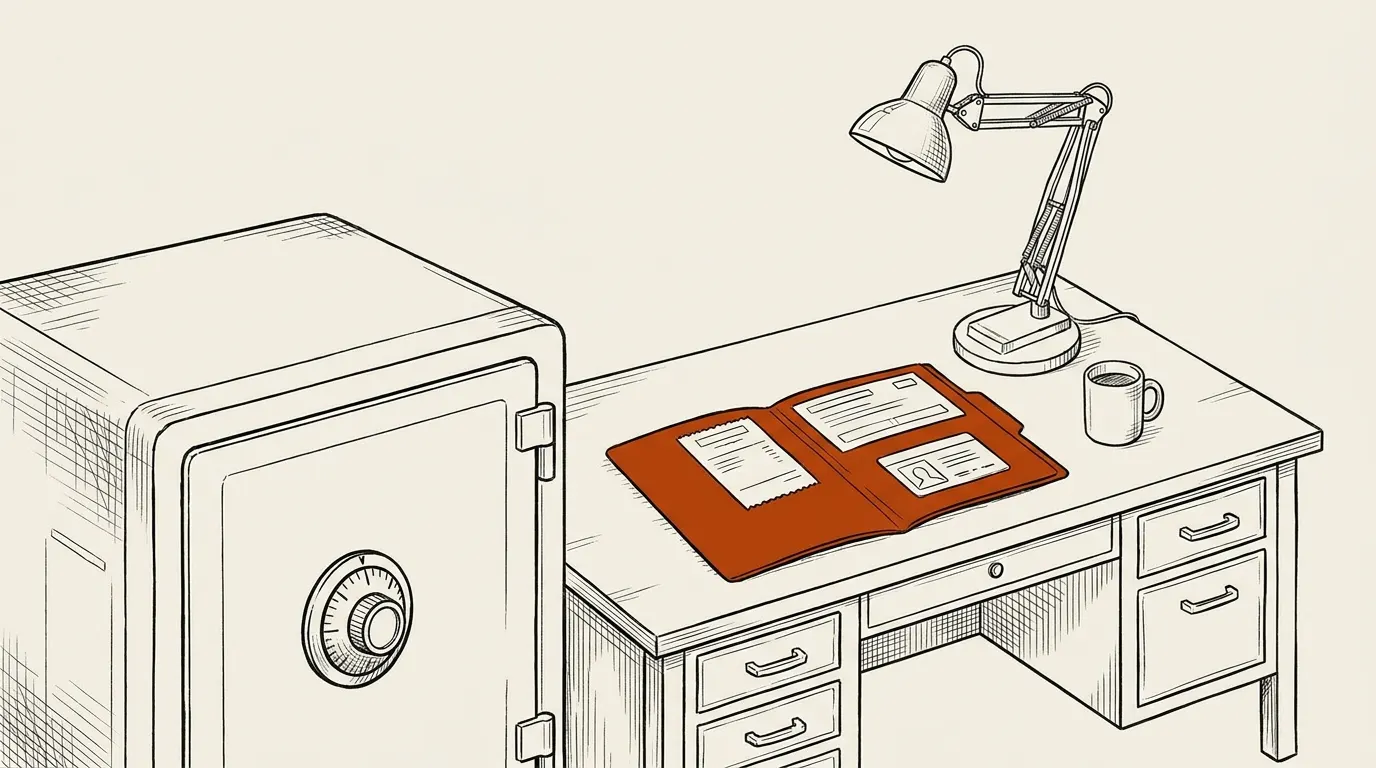
- Keep the receipt and the model and serial numbers with your important papers, outside the safe
(It's a four-cent security flaw. The fix costs less than that.)
If you're locked out: the legitimate paths, in order
These are the routes that open a safe without damaging it, and they're the same routes a reputable technician will steer you to.
- Your code, combination or backup key. Try the obvious first. ALOA's advice for an electronic lock that's gone into a lockout period is to wait for the period to expire before trying again; durations vary by manufacturer and are in the manual. For a keypad that won't respond, it suggests fresh batteries from a reputable brand.
- The manufacturer, with proof of ownership. Many manufacturers can supply a replacement combination or key. SentrySafe's replacement service for US customers says requests take up to 7–10 business days to process and carry a non-refundable charge. Liberty Safe will not release combinations for unregistered safes without a notarized request form and payment, and says it sends the combination within three to five business days once it's received.
- A qualified safe technician. If you need access quickly, call a locksmith who works on safes, such as a SAVTA member. Expect them to verify ownership before they start.
Check the manufacturer's terms before step 3. Liberty Safe says that if you hire a locksmith, you should contact Liberty first and have the locksmith contact Liberty too — skipping that step voids the safe and lock warranties.
If the problem is a specific type of lock, a sibling guide goes deeper: opening a digital safe without the code, opening a safe without a key, or the general locked out of a safe checklist. For an inherited safe with no paperwork, see how to open an old safe.
Why technicians and manufacturers ask for proof of ownership
The rule protects you. Liberty Safe puts it plainly: you cannot simply call your dealer and ask for your safe's combination or key. The notarized form exists to verify identity, because a combination released to anyone who asks would make every safe as secure as the phone line.
A technician who opens safes on request without asking questions is a technician who would open yours for someone else. Asking for ID, a receipt, registration or other documents linking you to the safe is what you want from the person you hire.
Have these ready before you call:
- Model and serial number of the safe
- Proof of purchase or registration
- Photo ID, and proof the safe is at your address
- Any manufacturer case number, if you've already contacted them
Here's the catch: forcing it makes it worse
ALOA's advice for a sticky or jammed lock is short: don't lubricate the lock yourself. If problems persist, it recommends contacting a SAVTA professional to avoid further damage or a lock-out condition.
The same logic applies to any improvised attempt. A safe is built to resist being forced, and many have features designed to lock the safe more firmly when they detect an attack — see our guide to the safe relocker. An attempt that triggers one turns a lost combination into a service call that takes longer. The technician's first job will be undoing the damage.
There's also the warranty. As above, some manufacturers void it if a locksmith opens the safe without the manufacturer being contacted first.
Skip it if: when you don't need a technician
- You have the key or the code. Use it. If the code doesn't work, check the manual for lockout periods and battery steps first.
- The manufacturer can supply the combination in time. A form and a few business days cost less than a service call.
- The safe is open. Don't close it. ALOA advises leaving an open, unlocked safe that's misbehaving unlocked and calling a technician. Then reset the combination following the manual — see how to change a safe combination.
- You're researching how to defeat a safe you don't own. This page won't help, and nor will a reputable technician.
So here's the plan. Find the model and serial number, find your receipt, and call the manufacturer before anyone else. When the safe is open again, write the combination down somewhere that isn't the safe — and take the code off the sticky note.
Save this guide for later
Questions people ask about how to pick safe locks
What is safe manipulation?
Safe manipulation is the trade term for opening a combination lock without the combination by sight, touch or hearing. UL 768, the standard for mechanical combination locks, tests how well a lock resists it. It is specialist work done by trained safe technicians.
How do you crack a safe if you're locked out?
Use your code or key first, then contact the manufacturer for a replacement combination or key with proof of ownership. If you need access quickly, a qualified safe technician, such as a member of the Safe and Vault Technicians Association (SAVTA), can open it after verifying that you own it.
What is the hardest safe to crack?
No safe is impossible to open. Ratings describe how long and against what a safe or lock resisted a defined attack: higher UL 687 classes such as TRTL and X6 ratings, higher UL 1037 RSC levels, and higher UL 768 lock groups or UL 2058 electronic locks represent more resistance.
Will a locksmith open a safe without proof of ownership?
A reputable one shouldn't. Manufacturers also require it: Liberty Safe, for example, will not release combinations for unregistered safes without a notarized request form.
Sources
- UL 768 Combination Locks (UL Standards & Engagement) — accessed 2026-10-12
- UL 2058 Outline of Investigation for High-Security Electronic Locks (UL Standards & Engagement) — accessed 2026-10-12
- Intertek requirement-change notice: UL 1037 revision 9-9-2016, Section 54 Residential Security Containers — accessed 2026-10-12
- UL 687 Burglary-Resistant Safes (UL Standards & Engagement) — accessed 2026-10-12
- Issues with Safes | ALOA — accessed 2026-10-12
- I Forgot My Lock Combination | Liberty Safe — accessed 2026-10-12
- Lost Safe Key or Combination | Customer Support | SentrySafe | Master Lock — accessed 2026-10-12
- Gun Safe Standards | California DOJ, Office of the Attorney General — accessed 2026-10-12