Safe Relocker: The Hidden Part That Keeps a Safe Locked
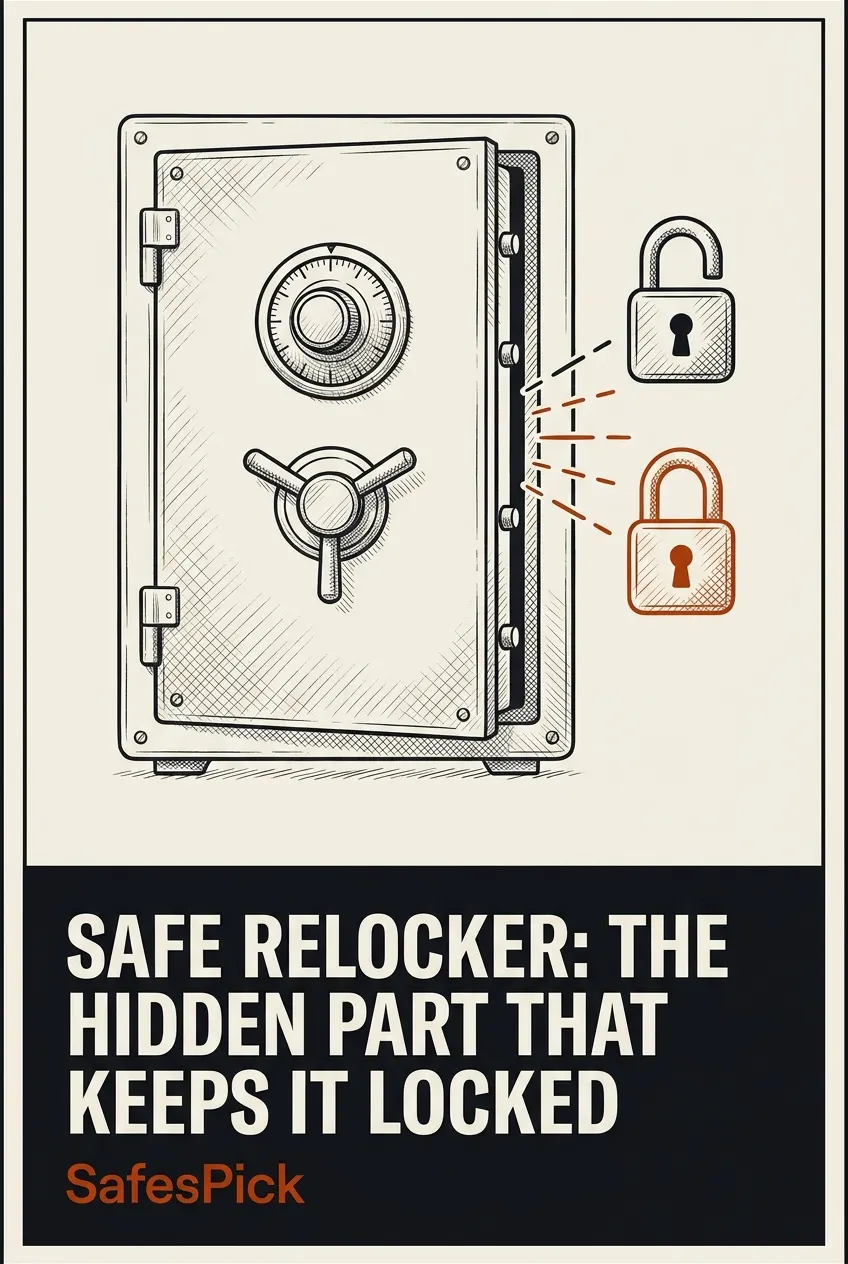
The best part of a good safe is one you'll never see. It sits behind the lock, does nothing for years and is paid to stay that way. If someone attacks the lock, it wakes up and makes sure the door stays shut — for them, and, it turns out, for everyone else too. The relocker doesn't do nuance. That's its job description.
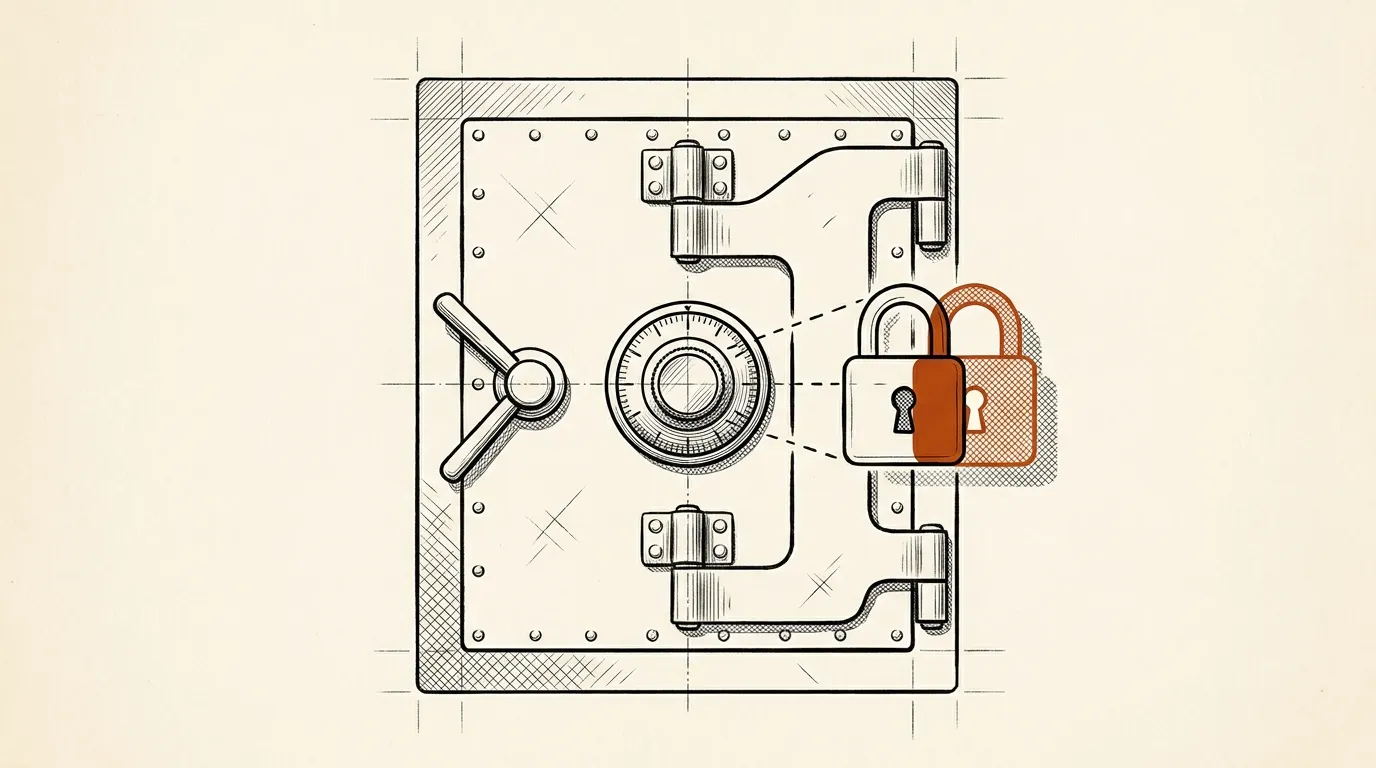
Short answer: A safe relocker is a hidden backup mechanism that keeps a safe locked if the lock is attacked. Liberty Safe describes its relockers as spring-loaded and automatically triggered: once set off, they stop the locking bolt from retracting, so the safe stays shut even if the lock itself is destroyed. That's good news when the attacker is a burglar. It's harder news when the attacker is an owner with a drill and a lost combination — a triggered relocker is a job for a safe technician, not a weekend project.
This page explains what a safe relocker is, why safes have them, how they relate to the ratings on the label, and what to do if you think yours has been triggered. It stays at that level on purpose: no trigger details, no locations, nothing about defeating one. If you're comparing safes rather than troubleshooting one, our burglary safes page lists rated models.
What a safe relocker is
A relocker is a mechanism meant to keep a safe or vault locked during a burglary attempt. It's separate from the lock you use every day. The lock opens the safe for you. The relocker exists for the moment someone tries to open it without you.
Two broad classes are usually described:
- Internal relocker: built into the lock itself
- External relocker: a separate mechanism installed in the safe, outside the lock
Liberty Safe uses both. It describes one relocker inside the lock and a second, redundant external relocker connected to the lock's back plate and opening mechanism. Liberty also notes that you can't see the relockers once the safe is assembled.
That last point matters. A relocker is the part of the safe you have to take on trust or on paper. There's no window into the door.
Why safes have relockers
Safe ratings assume someone will attack the lock, because the lock is where the door is controlled. The standards define the attack and the failure:
- UL 1037 RSC Level I: a 5-minute attack by one operator familiar with the safe's construction, with common hand tools and a small electric drill. Failure is the door opening or a 4-inch hand-hole.
- RSC Levels II and III: two operators, 10 minutes, more aggressive tools, and smaller openings counted as failure.
- UL 687: tool- and torch-resistant classes such as TL-15, TL-30 and TRTL-30 for higher-security safes.
A relocker is one answer to that threat. If an attack damages the lock, the bolts still don't move. The attacker has to start over on a door that's now locked twice.
Liberty puts it bluntly: even if the lock is completely destroyed, the safe remains locked tight. Liberty also says its relockers are one reason its safes are UL-listed. That's the manufacturer's account of its own design, and it's a reasonable one: a rating is earned by the whole safe, and the relocker is part of the whole.
The lock and the relocker are a double act. One opens. One refuses.
Where to look next
How a relocker relates to the label
A relocker is a feature, not a rating. The ratings attach to something specific:
- UL 1037 rates the container as a Residential Security Container
- UL 687 rates higher-security safes in TL and TRTL classes
- UL 768 rates mechanical combination locks for resistance to manipulation
- California's DOJ standard describes a qualifying gun safe by construction, including a combination lock protected by a hardened, drill-resistant plate — or accepts an NRTL-listed RSC
None of those labels say "has a relocker". When a listing mentions one, it's describing how the safe is built. When a label names a standard, it's describing how the safe performed. Our guide to UL ratings for safes covers each standard.
The Marketing Department and the invisible feature
A part you can't see is a gift to the Marketing Department. "Relocker" goes on a bullet list next to "heavy-duty" and "advanced", and nobody can check it from the showroom floor.
So check it on paper instead:
- The manufacturer's spec sheet or manual — does it say the safe has a relocker, and which kind?
- The rating — does the safe carry a named UL or NRTL rating, rather than just a list of features?
- Ask with the model number — the manufacturer can confirm what's in that model's door
A feature in writing from the manufacturer is a claim. A rating from a lab is a test. Both are worth having. Only one involved someone trying to get in.
If you think the relocker has been triggered
If the safe was attacked, or someone has tried to force the lock, assume the relocker may have done its job. A triggered relocker keeps the bolts from retracting, so the correct combination may no longer open the safe.
Do this, in order:
- If it was a burglary, report it to the police first. Leave the safe as it is.
- Stop trying to open it. Repeated attempts on a damaged lock can make the technician's job harder.
- Contact the manufacturer with the model and serial number. Some manufacturers have conditions on who services the safe. Liberty Safe, for example, says to contact Liberty before hiring a locksmith and to have the locksmith contact Liberty too; skipping that step voids the safe and lock warranties.
- Call a qualified safe technician. ALOA says members of its Safe and Vault Technicians Association (SAVTA) repair and maintain safes and can open a safe if you're locked out. Expect them to verify ownership before they start.
If the problem is a forgotten combination rather than an attack, the relocker probably isn't involved. Start with our guide to being locked out of a safe.
Why you shouldn't try to reset a relocker yourself
A relocker is designed to respond to attacks on the lock. An owner working on the lock with tools looks, to the safe, exactly like an attack. That's not a flaw. It's the point.
ALOA's general advice for safe problems applies here too: if problems persist, contact a SAVTA professional to avoid causing further damage or a lockout condition. Our guides to safe drilling and how to pick a safe lock explain why opening a locked safe is technician's work, at the same general level as this page.
Here's the catch: a relocker guards the lock, not the whole safe
A relocker protects against one kind of attack: the one aimed at the lock. It does nothing about a safe that's light enough to carry away, or a thin body that gives way somewhere else. The ratings test the whole container for that reason, and the higher RSC levels assume a safe of 750 lb or more, or one that can be anchored.
So a relocker on a light, unanchored safe is a good lock on a portable box. The fix isn't more relockers. It's weight, a rating that covers the body, and anchors.
Skip it if: when you don't need to think about relockers
- You're buying a small lock box for quick access. The lock, the backup and any recall history matter more. See handgun safes.
- The safe has a named UL or NRTL rating you trust. The rating already tells you how the whole safe performed; the relocker is part of that result.
- Your problem is a forgotten code. Start with the manufacturer's lost-combination process, not the relocker.
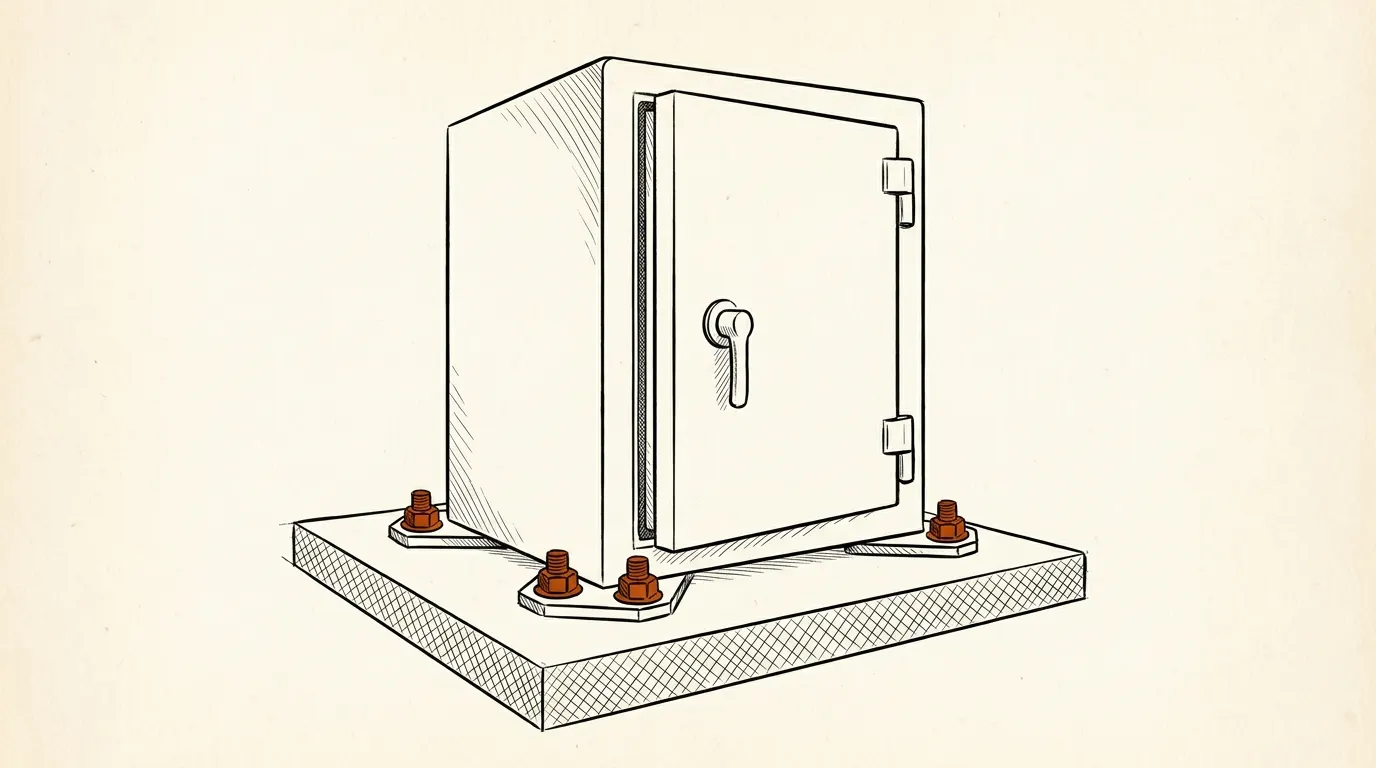
- The safe isn't anchored yet. Do that first. A relocker can't help a safe that leaves through the front door.
That's the relocker: invisible, dull and very good at one thing. If you're buying, ask the manufacturer in writing whether the model has one and which rating it carries. If you already own the safe, register it, record the combination away from it — and bolt it down.
Save this guide for later
Questions people ask about safe relockers
What is a relocker on a safe?
A relocker is a mechanism designed to keep a safe locked during a burglary attempt. Liberty Safe describes its relockers as spring-loaded, automatically triggered mechanisms that keep the locking bolt from retracting, so the safe stays locked even if the lock is destroyed.
Can I reset a triggered relocker myself?
No. A triggered relocker needs a qualified safe technician, and the manufacturer should be contacted first. Attempting it yourself can damage the safe and, with some manufacturers, void the warranty.
How do I know if my safe has a relocker?
Relockers are hidden once a safe is assembled, so check the manufacturer's specification sheet or manual, or ask the manufacturer with your model and serial number.
Does a relocker make a safe UL rated?
No. A UL rating applies to the safe as tested under a named standard, such as UL 1037 for residential security containers or UL 687 for burglary-resistant safes. A relocker is one feature that can contribute to how a safe performs in those tests.
Sources
- What Are Liberty Safes Made Of? Materials and Features | Liberty Safe — accessed 2026-10-12
- Relocker | Wikipedia — accessed 2026-10-12
- Issues with Safes | ALOA — accessed 2026-10-12
- I Forgot My Lock Combination | Liberty Safe — accessed 2026-10-12
- Intertek requirement-change notice: UL 1037 revision 9-9-2016, Section 54 Residential Security Containers — accessed 2026-10-12
- UL 1037 Antitheft Alarms and Devices (UL Standards & Engagement) — accessed 2026-10-12
- UL 687 Burglary-Resistant Safes (UL Standards & Engagement) — accessed 2026-10-12
- UL 768 Combination Locks (UL Standards & Engagement) — accessed 2026-10-12
- Gun Safe Standards | California DOJ, Office of the Attorney General — accessed 2026-10-12