Safe Drilling: What It Is, Who Does It, and Why You Shouldn't
Somewhere in every safe ad there's a sentence about a drill-resistant plate. It's the one part of the safe built specifically to make a drill unhappy. Most owners will never meet it. The ones who do usually meet it through a technician's invoice, after an afternoon of trying everything else. Here's how to make sure you're not one of them.
Short answer: Safe drilling is something safe technicians may do to open a safe whose lock has failed or whose combination is lost — after they've verified that you own it, and usually after the simpler routes are exhausted. It's specialist work because safes are designed to resist it: rated safes are tested against attacks that include drills, the lock is often behind a hardened plate, and many safes carry relockers that lock the safe more firmly when the lock is attacked. If your safe won't open, use your code or key, then the manufacturer, then a qualified technician. Don't drill it yourself.
This page explains safe drilling in general terms: why it exists as a professional service, why safe ratings are built around resisting it, and what to do before anyone takes a drill to your safe. It gives no drilling locations, tools or techniques, and it won't. If you're choosing a safe rather than opening one, the burglary safes page compares rated models.
Safe drilling as a service: what a technician is doing
A safe technician is a locksmith who specializes in safes and vaults. ALOA, the locksmith trade association, says members of its Safe and Vault Technicians Association (SAVTA) repair and maintain safes and can open a safe if you're locked out.
Drilling is one of the ways a technician may open a safe. It isn't the first resort, and it isn't one-size-fits-all. A technician decides whether, where and how based on the specific safe, its lock and its documentation — knowledge that comes from training and from manufacturers, not from a video. A careful opening is one that can be repaired afterwards, so the safe goes back into service.
The drill is the visible part. The judgement is what you're paying for.
Why safes are built to resist drilling
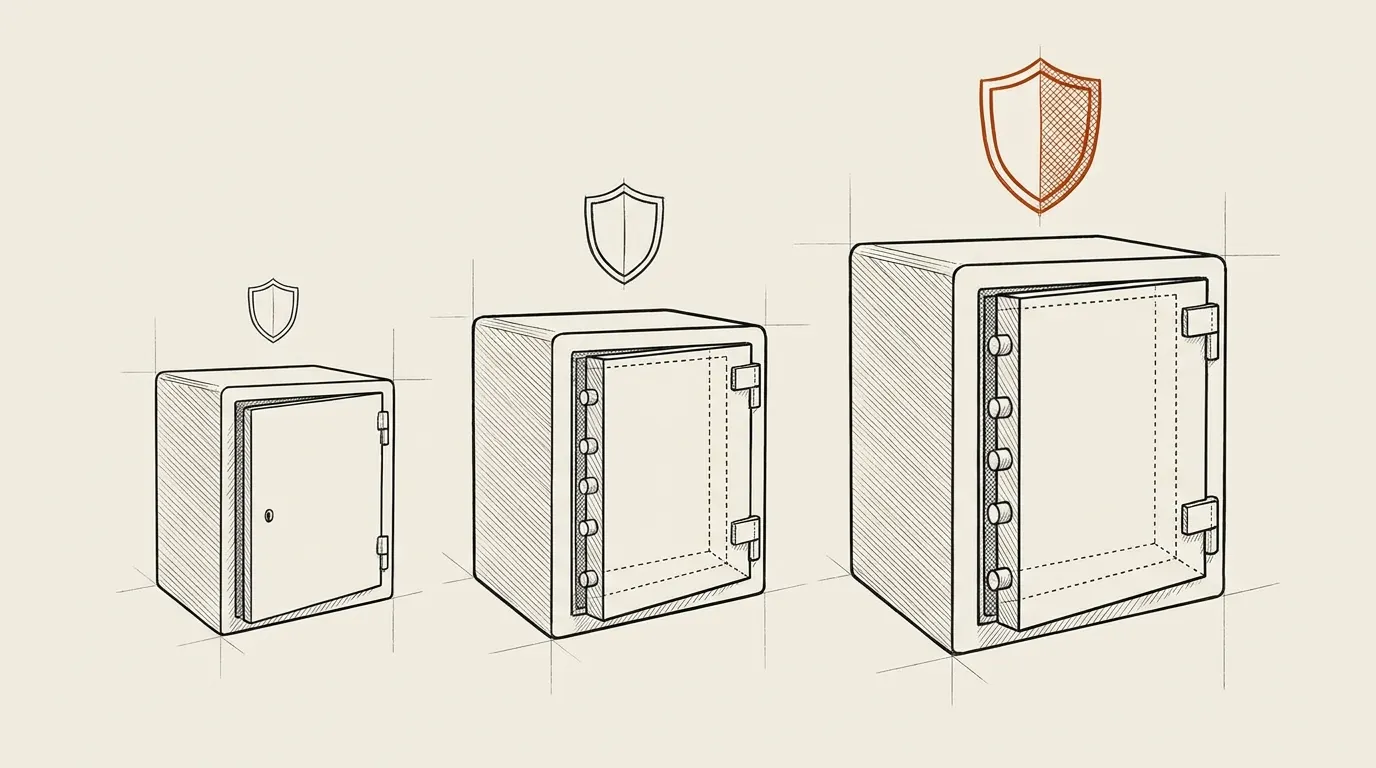
Safe and lock standards assume someone will try. The ratings describe how long a safe held up, against what, and what counted as failure.
- UL 1037 RSC Level I (most gun safes): a 5-minute attack by one operator using common hand tools and a small electric drill. Failure is the door opening or a 4-inch hand-hole.
- RSC Levels II and III: two operators, 10 minutes of working time, and more aggressive tools, including power tools and, at Level III, abrasive wheels and power saws. Failure is a 6-square-inch opening at Level II and a 2-square-inch opening at Level III.
- UL 687 rates higher-security safes in tool- and torch-resistant classes such as TL-15, TL-30 and TRTL-30, with X6 classes tested on all six sides.
California's gun safe standard writes drill resistance into law: a qualifying combination lock must be protected by a hardened, drill-resistant plate or equivalent material.
The Marketing Department sometimes rounds "drill-resistant" up to something grander. The standards don't. Every rating has a limit, and the limit is the point: it tells you how much resistance you bought.
Where to look next
Relockers: the part that makes DIY drilling worse
Many safes have a relocker. Liberty Safe describes its relockers as spring-loaded, automatically triggered mechanisms that keep the locking bolt from retracting — so the safe stays locked even if the lock is completely destroyed. Liberty uses one inside the lock and a second external one.
What that means for an owner is simple. An improvised attempt on the lock can leave the safe more locked than before. Then the technician has a harder job and a longer invoice. Our guide to the safe relocker explains what relockers are and why they exist.
How to drill a safe: the legitimate route instead
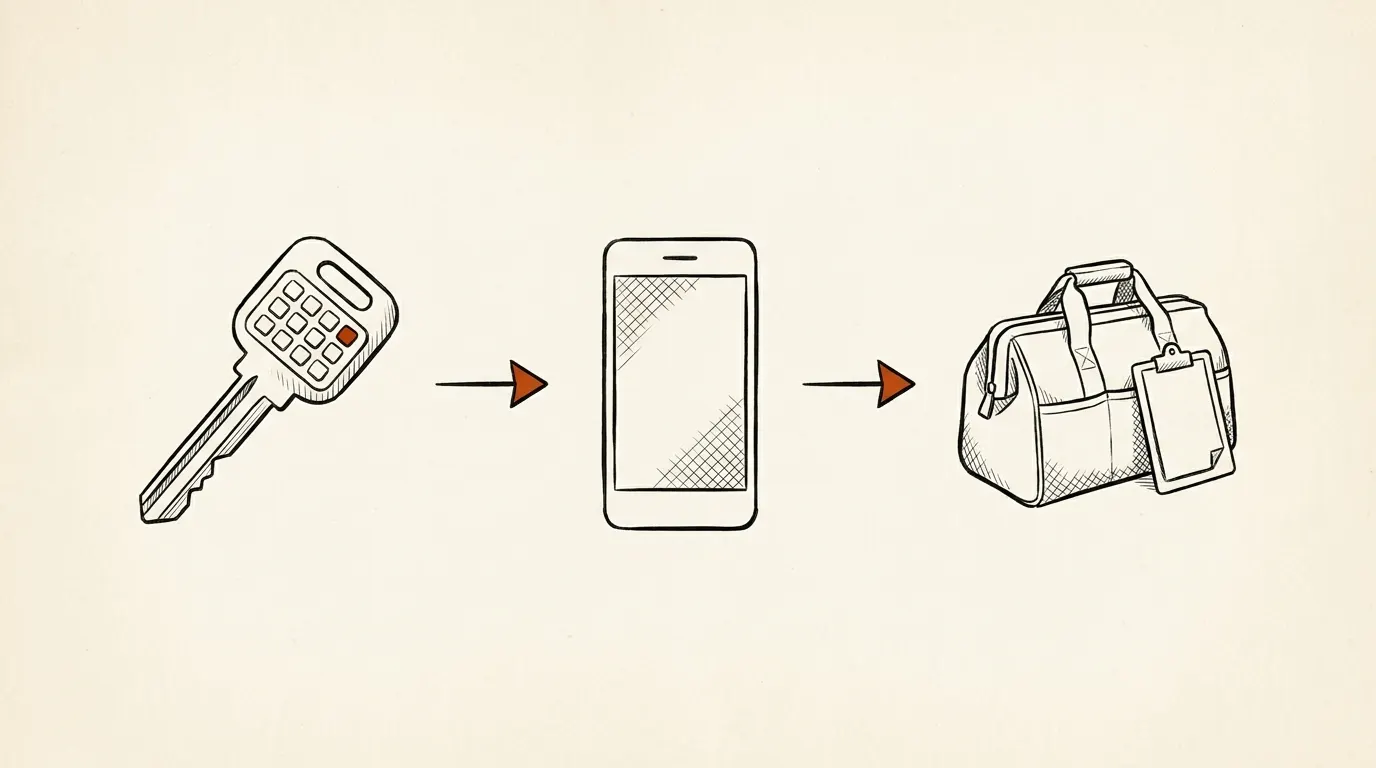
People search "how to drill a safe" when they're locked out of their own. Here's what to do, in order.
- Try your code, combination or key. ALOA advises waiting out an electronic lock's lockout period before trying again, and trying fresh batteries from a reputable brand if a keypad doesn't respond. Lockout periods vary by manufacturer; the manual lists them.
- Contact the manufacturer. Many can issue a replacement combination or key with proof of ownership. SentrySafe's US replacement service says processing takes up to 7–10 business days and carries a non-refundable charge. Liberty Safe requires a notarized request form for unregistered safes and sends the combination within three to five business days of receiving it.
- Call a qualified safe technician. Choose someone who works on safes — a SAVTA member, for example — and expect them to verify ownership first.
Before step 3, check the manufacturer's terms. Liberty Safe says to contact Liberty before hiring a locksmith and to have the locksmith contact Liberty too; skipping that step voids the safe and lock warranties.
For lockouts by lock type, see our sibling guides: locked out of a safe, opening a digital safe without the code, and opening a safe without a key.
How to drill open a floor safe: same answer, harder location
A floor safe is set into the floor, usually in concrete. That changes where the work happens, not who should do it. The route is the same: code or key, manufacturer, technician.
If the floor safe came with the house and you have no paperwork, the manufacturer may still be able to help once you can show the safe is on your property. Our guide on how to open an old safe covers finding the maker and proving ownership for inherited and left-behind safes.
Best way to cut open a safe: there isn't one for owners
Cutting is the destructive end of opening, and it ends the safe's life as a safe. It also puts whatever is inside next to the work. For an owner, it's the worst route on the list — slower, costlier and riskier than a technician's opening, and the higher the safe's rating, the more true that is.
If someone suggests cutting as a first step, get a second opinion from a safe technician.
Why proof of ownership comes before any drill
A technician who drills safes without asking who owns them would drill yours for someone else. That's why reputable technicians verify ownership first, and why manufacturers do the same before releasing a combination. Liberty Safe is direct about it: you cannot simply call your dealer and ask for your safe's combination or key.
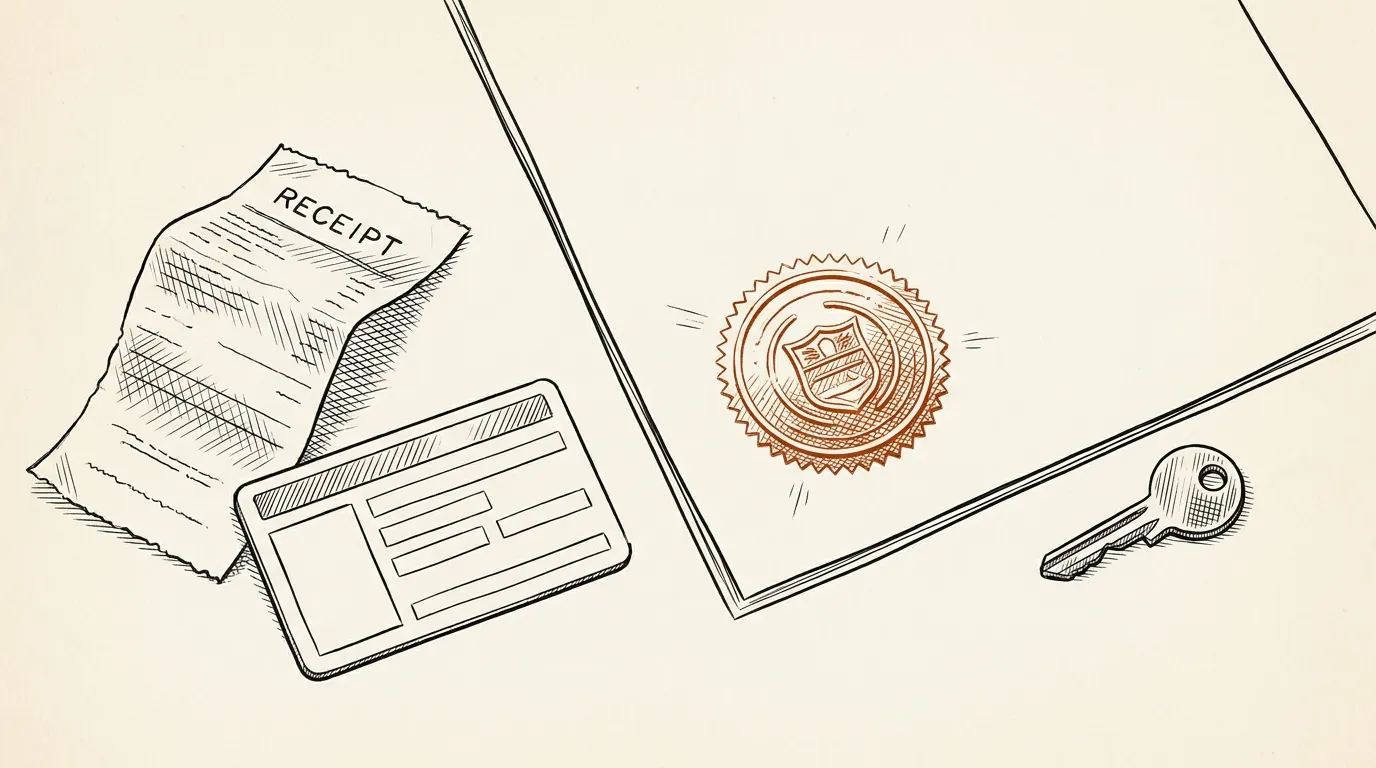
Have this ready before you call anyone:
- Model and serial number
- Receipt or registration
- Photo ID and proof the safe is at your address
- The manufacturer's case number, if you've already contacted them
(I keep the manuals of every safe on this site in a folder. The serial-number page is the one nobody can find when they need it.)
Here's the catch: opening is only half the bill
A safe that has been opened by force needs a technician's repair before you rely on it again — ask what that repair involves before the work starts. A safe that's been cut is finished. Factor that in when you compare a few business days of waiting for the manufacturer with an emergency opening today.
Then there's the gap the opening exposed. If the combination was lost, the backup plan failed. Fix that too: record the combination away from the safe, keep the backup key in a different room, and register the safe if the manufacturer offers it.
Skip it if: when nobody needs to drill anything
- You have the key or the code, and the lock is just slow. Check the battery and lockout steps in the manual first.
- The manufacturer can send the combination in time. Waiting costs less than a repair.
- The safe is open. Leave it unlocked and call a technician to service the lock, as ALOA advises for an open safe that's misbehaving.
- The safe isn't yours. Then it isn't your call, and no reputable technician will make it for you.
Here's the next step. Find the model and serial number, find the receipt, and call the manufacturer before you call anyone with a drill. Once you're back in, write the combination down somewhere away from the safe — and bolt it down while you've got the door open.
Save this guide for later
Questions people ask about safe drillings
Can you drill a safe open yourself?
It is not a good idea. Safes are built to resist drilling, many have relockers that lock the safe more firmly when the lock is attacked, and some manufacturers void the warranty if the safe is opened without contacting them first. A qualified safe technician who verifies ownership is the right call.
How do you open a locked floor safe?
The same way as any other safe: your code or key, the manufacturer's replacement service with proof of ownership, or a safe technician. Floor safes are set into the floor, so the work happens in place, which is another reason to use a professional.
Do safe technicians drill safes?
Drilling is one of the methods safe technicians may use when a lock has failed or the combination is lost. Whether they drill depends on the safe and the situation, and the decision belongs to the technician after verifying ownership.
What does drill resistant mean on a safe?
It means part of the safe, usually the lock area, is built to resist drilling. California's gun safe standard, for example, requires the combination lock to be protected by a hardened, drill-resistant plate or equivalent material.
Sources
- Issues with Safes | ALOA — accessed 2026-10-12
- I Forgot My Lock Combination | Liberty Safe — accessed 2026-10-12
- Lost Safe Key or Combination | Customer Support | SentrySafe | Master Lock — accessed 2026-10-12
- What Are Liberty Safes Made Of? Materials and Features | Liberty Safe — accessed 2026-10-12
- Intertek requirement-change notice: UL 1037 revision 9-9-2016, Section 54 Residential Security Containers — accessed 2026-10-12
- UL 1037 Antitheft Alarms and Devices (UL Standards & Engagement) — accessed 2026-10-12
- UL 687 Burglary-Resistant Safes (UL Standards & Engagement) — accessed 2026-10-12
- Gun Safe Standards | California DOJ, Office of the Attorney General — accessed 2026-10-12