How to Store Ammo: What SAAMI and the Ammo Makers Say
Ammunition storage attracts more folklore than any other topic in the gun closet. Rounds that explode in a fire. Boxes that go bad in a year. The industry's own standards body wrote a leaflet to clear it up, and it reads like a detective closing a cold case: most of the rumors, it says, just aren't so.
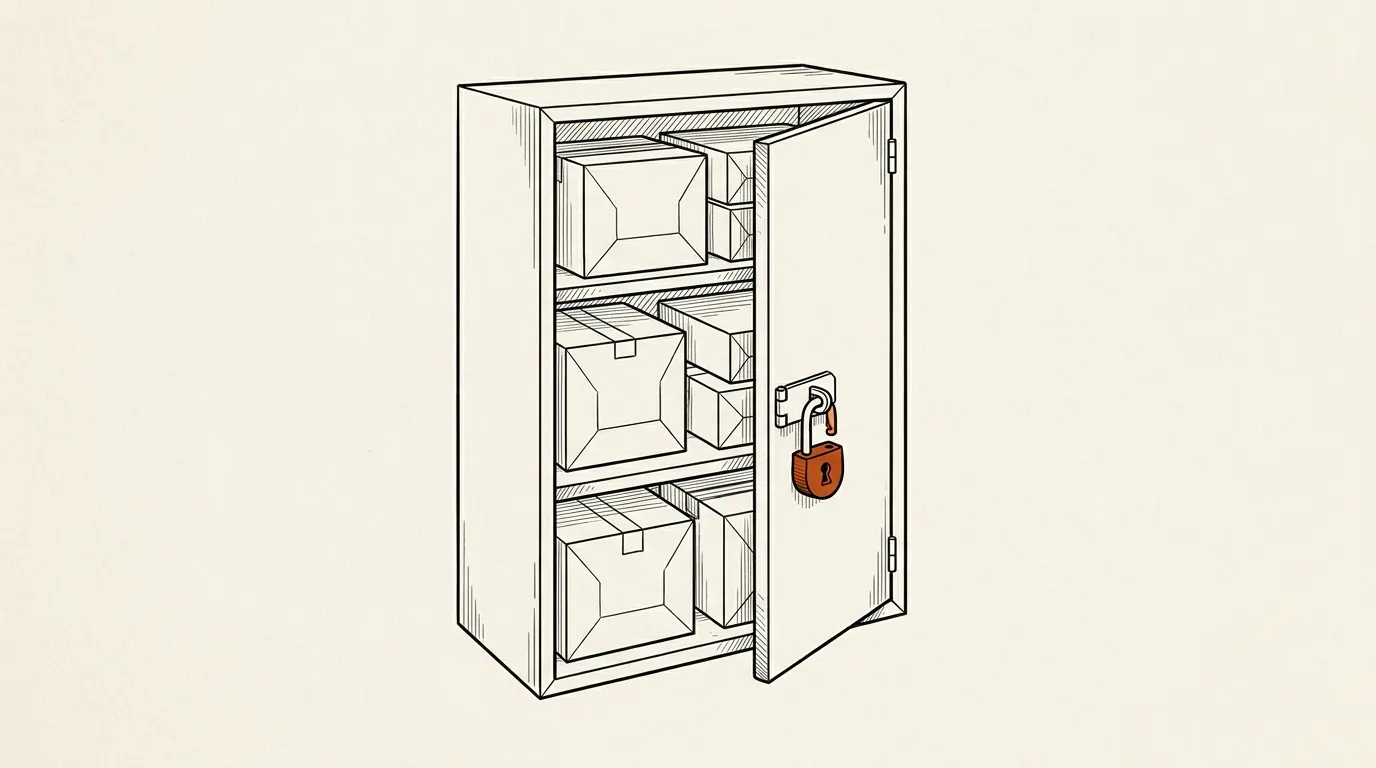
Short answer: How to store ammo, according to SAAMI and the ammunition makers: keep it in the factory box, somewhere cool and dry, out of direct sunlight, away from water and solvents, and never above 150°F. Lock it up, out of the reach of children. Federal safe-storage guidance adds one more step: keep it locked in a separate place from the firearms.
SAAMI — the Sporting Arms and Ammunition Manufacturers' Institute — publishes the industry's storage leaflet, and most ammo makers point back to it. Speer's FAQ does exactly that. This guide follows those documents and stays out of reloading. If you're choosing the locked box first, our gun safes page covers the options.
How to store ammo: the factory box is the first container
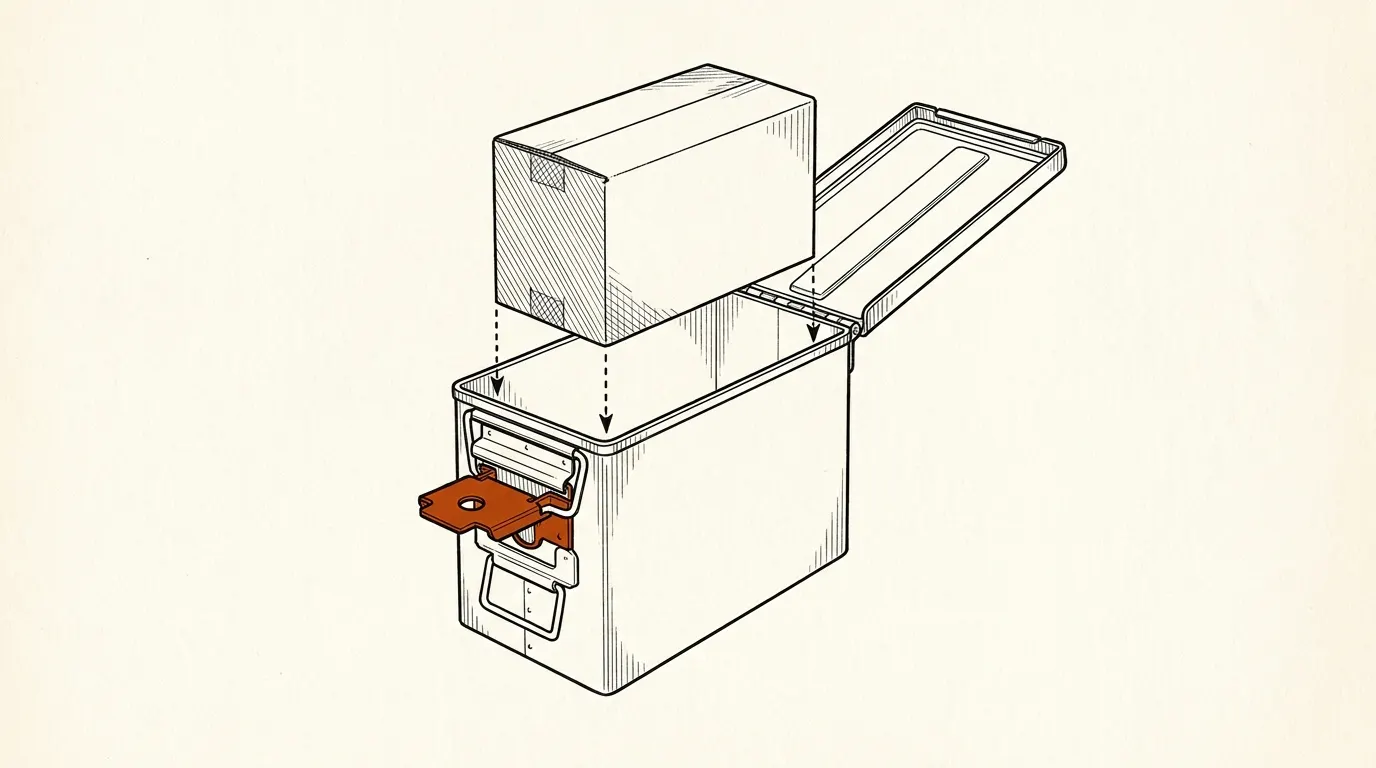
SAAMI's first instruction is the simplest: "Ammunition should be stored in the factory carton or package." The reason is practical. The label on that box says which cartridge is inside, which helps make sure it goes into the gun it was made for.
SAAMI adds that ammunition is packed in cartons and cases specified by the US Department of Transportation, and that "unapproved packaging should never be substituted." That language is aimed at shipping and storage in commerce. At home, the takeaway is the same: the original box is part of the product.
Speer's FAQ, asked about long-term storage, gives the short version: "cool and dry conditions in original packaging," and refers readers to SAAMI's guidelines for the rest.
Plenty of people put those boxes inside a sealed ammo can. Nothing in SAAMI's leaflet forbids that. Just keep the box inside the can, so the label stays with the rounds.
Where to look next
Where to store ammo: cool, dry, and nowhere near 150°F
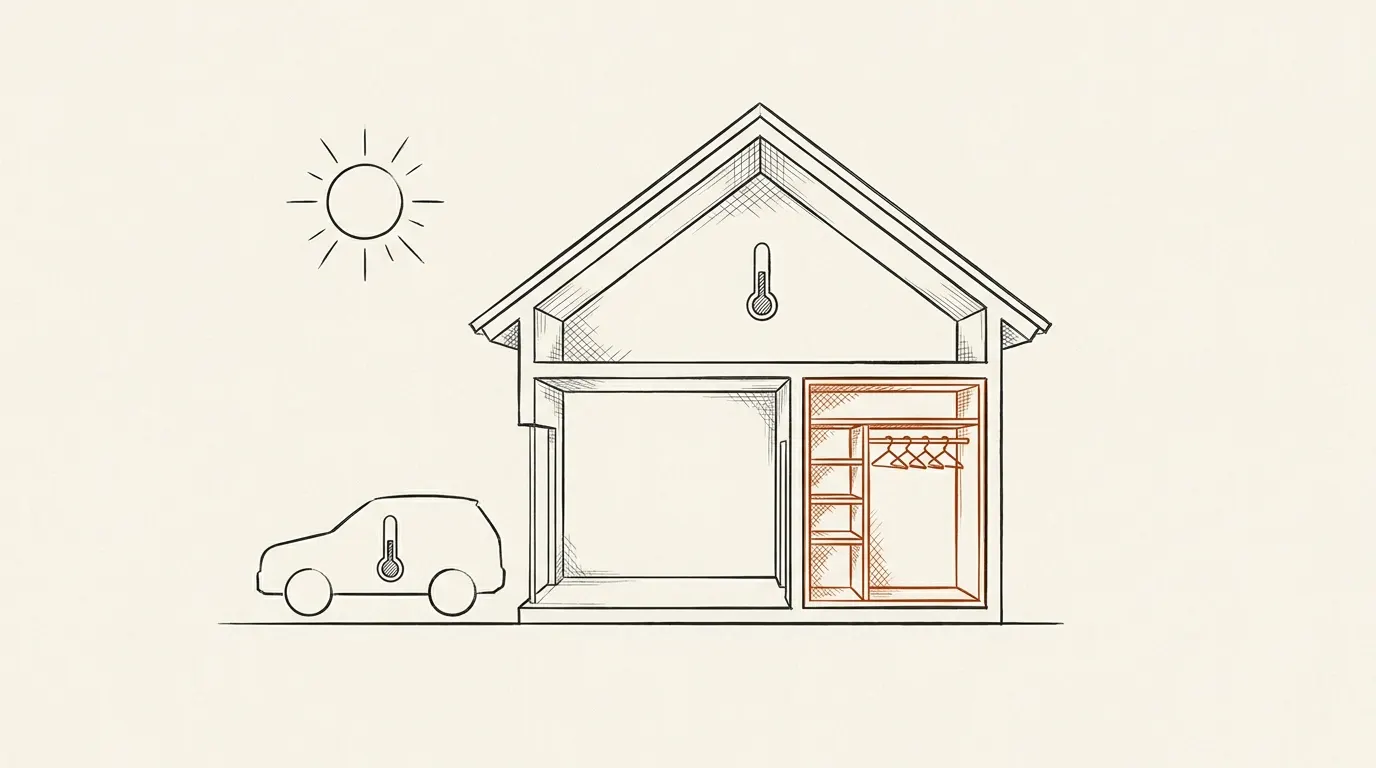
Federal Ammunition's FAQ says to store ammunition "in a cool, dry place, protected from direct exposure to sunlight." SAAMI gives the hard limit: "Extreme high temperatures (over 150° F) however, should be avoided."
Most rooms in a house never get close. Some places do. SAAMI calls out one by name: the passenger compartment of a closed car in the sun "often develops an extreme high temperature and is thus not a desirable spot to leave ammunition." It recommends taking firearms and ammunition out of the vehicle after a trip.
The car got hot. The ammo got moved. Case closed.
A short list of where ammunition fits the brief, and where it doesn't:
- Good: a closet or cabinet inside the heated and cooled part of the house, with a lock
- Think twice: an attic, a detached shed or a garage that bakes in summer — measure before you trust it
- Avoid: a closed car in the sun, per SAAMI
- Floors that get damp: SAAMI advises stacking cartons on pallets when stock sits on basement or warehouse floors subject to moisture
The Closet, as usual, wins by default. It's inside the living space, it's dark and it holds a steady temperature. It just needs a lock.
Water, solvents and oil: what ruins ammo in storage
SAAMI is specific about what not to expose ammunition to: water, or "any organic solvent, paint thinner, petroleum product, ammonia, etc." It explains why: these can penetrate a loaded round and reach the powder or primer. The result can be misfires or squib shots, where a bullet lodges in the barrel and the next shot becomes dangerous.
That puts a few habits in a new light:
- Don't store ammunition on the same shelf as cleaning solvent or oil.
- Don't spray lubricant near open boxes.
- Don't keep ammo where a leak or flood could reach it.
Humidity is the gentler version of the same problem. SAAMI says ammunition in factory packaging, subject to "ordinary variations of temperature and humidity ranging from tropic to Arctic conditions," can be expected to perform satisfactorily over extended periods. So you don't need a laboratory. You need to avoid soaking it. If the ammo shares a gun safe, the same 40–50% range from our ideal gun safe humidity guide suits both.
Can you store ammo in a gun safe? Yes, with one catch
Physically, there's nothing wrong with it. SAAMI says the ideal home storage for ammunition is "a locked closet or cabinet out of the reach of children and uninformed or incompetent persons." A locked gun safe meets that description.
A shelf in the gun safe, a separate locked cabinet, a lockable steel can — any of them works if it's locked and the conditions above are met.
The catch is fire, and it gets its own section below. First, the question that matters more.
Can you store guns and ammo together? What federal guidance says
This section is about children and firearm access, so it's plain.
Federal guidance recommends keeping them apart. The U.S. Attorney's Office for the District of Vermont, in its Department of Justice handout "Safe Storage of Firearms," says to unload each firearm before storing it and to "keep ammunition locked in a secure location away from the firearm." The Department of Justice's Safe Storage Fact Sheet says keeping firearms locked, unloaded and stored away from ammunition can significantly reduce the risk that children and teens use a firearm to hurt themselves or others.
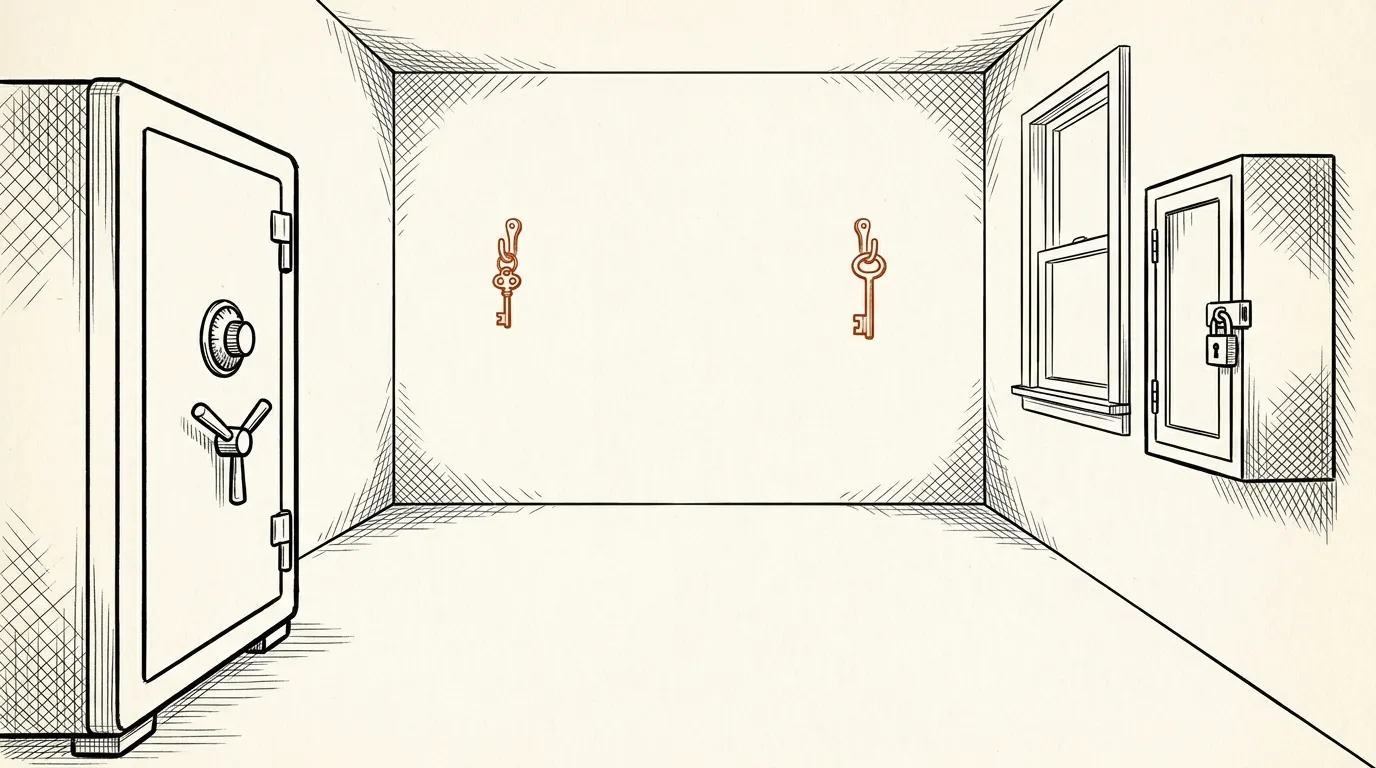
The same Vermont handout says to keep the keys and combinations to gun storage and to ammunition storage in separate locations, out of the reach of children. The National Park Service's guidance for museum collections says the same thing in four words: "Store guns and ammunition separately."
In practice, that can mean:
- firearms unloaded in a locked gun safe
- ammunition in a separate locked container, cabinet or room
- keys and codes for each kept apart and out of children's reach
State law on storing guns and ammo varies
Storage requirements are set by state law, and they differ from state to state. We don't summarize them and this is not legal advice. Massachusetts publishes its firearm statutes, including its storage section, on mass.gov. California's Department of Justice publishes its firearm rules through the Bureau of Firearms. For any other state, go to that state's official government site or ask the state agency directly.
Ammo in a house fire: what SAAMI says actually happens
SAAMI's leaflet spends a lot of space on fire, because firefighters asked. Its findings, stated plainly:
- "Stocks of small arms ammunition will NOT mass explode." If one round fires, adjacent rounds do not explode with it.
- Ammunition that ignites outside a firearm's chamber "discharges inefficiently." Bullets rarely travel far; small fragments of case and primer can fly short distances, usually not over 50 feet.
- Tests by SAAMI members show the fragments do not have enough energy to penetrate firefighters' protective gear.
- SAAMI says it has no verified report of a firefighter hurt by flying bullets or shot in fires involving a home supply of ammunition.
SAAMI also produced a video for the fire service on what happens when ammunition burns, listed on its publications page.
After any fire, SAAMI's instruction is clear. Ammunition that has been in a structural fire, scorched, wetted or exposed to flood water should be scrapped, not used or sold.
Ammo shelf life and getting rid of old rounds
Federal's FAQ answers the shelf-life question directly: if stored properly, loaded ammunition and reloading components "have a 10-year shelf life." SAAMI's leaflet doesn't give a number. It says ammunition in factory packaging can be expected to perform satisfactorily over extended periods, under ordinary home conditions.
One maker gives a number. The standards body declines to. Both say the same thing about the conditions.
When ammunition has to go, SAAMI says:
- Never bury it or dump it in a waterway. It can be found years later, still live, by children or someone who doesn't know what it is.
- Return it to the manufacturer in most cases, after getting written permission first.
- If you don't know the maker, SAAMI says to contact SAAMI.
Here's the catch: a fire-rated gun safe isn't rated for ammo
A fire rating protects what it was tested for. UL explains that a UL fire rating has a class, which is the maximum interior temperature reached during testing, and a time rating. UL's standard says Class 350 ratings are intended to protect paper records.
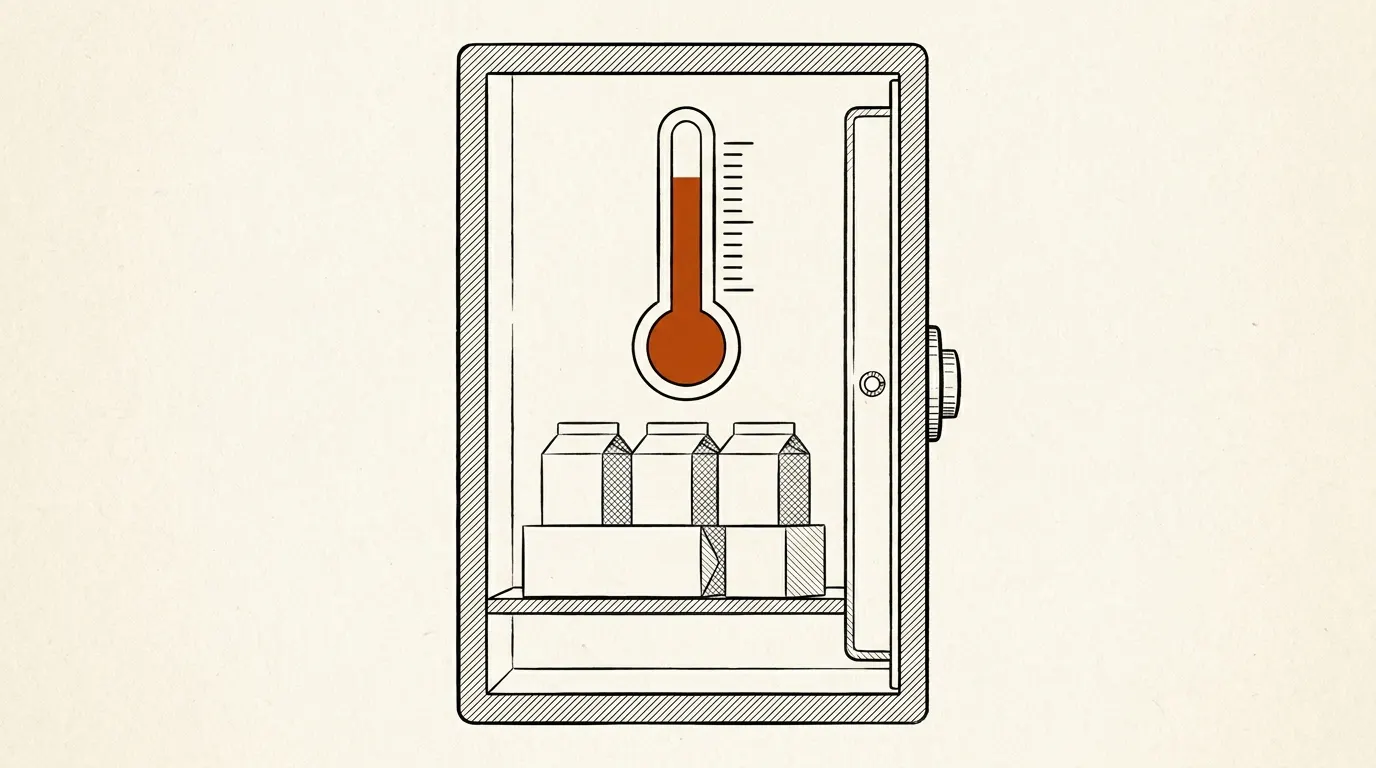
Read that next to SAAMI's limit. A Class 350 test allows the inside of the safe to reach 350°F. SAAMI says to avoid temperatures over 150°F. A safe can do its job for your papers and still let the ammo inside get far hotter than SAAMI's ceiling.
(The fire label on the door was written for the deed to the house. Nobody asked the cartridges.)
That doesn't make the gun safe a bad place for ammunition. It still adds a lock, and SAAMI's own fire findings say a stock of ammunition won't mass explode. It means the fire rating on the door shouldn't be counted as protection for the ammo. After a fire, SAAMI says scrap it either way. For what fire ratings on gun safes do cover, see our guide are gun safes fireproof.
Skip it if: when you don't need special ammo storage
- You keep a few boxes in a locked, climate-controlled room. That already matches SAAMI's guidance. No extra gear needed.
- You're shopping for a "humidity-proof" ammo vault. SAAMI says factory-packed ammo handles ordinary household humidity. Keep it dry and off damp floors; that's the job.
- You're buying a bigger fire rating for the ammo. As above, a higher fire class is aimed at paper and media, not cartridges.
- You're about to repack everything into unlabeled jars. Don't. SAAMI wants the factory box, for the label.
Put the boxes back in their factory cartons, move them out of the car and off the damp floor, and give them a lock of their own. Then put that key somewhere different from the gun safe key, out of children's reach. For the rest of the setup, see our gun storage ideas.
Save this guide for later
Questions people ask about how to store ammos
Can you store ammo in a gun safe?
Yes. SAAMI recommends storing ammunition in a locked closet or cabinet out of the reach of children, in its factory packaging, away from water, solvents and temperatures over 150°F. A locked gun safe meets the locked part; a separate locked container keeps ammunition apart from the firearms, which federal safe-storage guidance recommends.
Can you store guns and ammo together?
Federal safe-storage guidance from the U.S. Department of Justice recommends keeping ammunition locked in a secure location away from the firearm, and keeping firearms unloaded in storage. State laws differ, so check your state's official source.
Can you store guns and ammo together in Massachusetts or California?
Storage rules are set by state law and differ between states. Massachusetts publishes its firearm laws on mass.gov, and California's Department of Justice publishes firearm rules on oag.ca.gov. Check the current official text or ask the state agency; this page is not legal advice.
Where should you store ammo in the house?
In a cool, dry room inside the living space, in the original packaging, locked, and out of the reach of children. SAAMI says to avoid temperatures over 150°F and advises against leaving ammunition in a closed car in the sun.
How long does ammo last in storage?
Federal Ammunition says loaded ammunition stored in a cool, dry place out of direct sunlight has a 10-year shelf life. SAAMI says ammunition kept in factory packaging through ordinary temperature and humidity variations can be expected to perform satisfactorily over extended periods.
Sources
- Small Arms Ammunition: Properties & Recommendations for Storage & Handling (SAAMI Item 202) — accessed 2026-10-12
- Publications & Advisories | SAAMI — accessed 2026-10-12
- FAQ | Federal Ammunition — accessed 2026-10-12
- FAQ | Speer — accessed 2026-10-12
- Safe Storage of Firearms: Unload it, Lock it, Store it | U.S. Attorney's Office, District of Vermont — accessed 2026-10-12
- Safe Storage Fact Sheet | U.S. Department of Justice — accessed 2026-10-12
- Conserve O Gram 10/1: Caring for Historic Longarms: Storage and Handling Requirements | National Park Service — accessed 2026-10-12
- Turning Up the Heat: A Sneak Peek into UL's Fire Testing of Safes | UL — accessed 2026-10-12
- UL 72 Tests for Fire Resistance of Record Protection Equipment | UL Standards & Engagement — accessed 2026-10-12
- Mass. General Laws c.140 §§ 121-131Q | Mass.gov — accessed 2026-10-12
- Bureau of Firearms | California Department of Justice — accessed 2026-10-12